Table of Contents (15 sections)
Smart thermostats have revolutionized how we manage heating and cooling in our homes. These devices not only offer the convenience of automation but also significantly contribute to energy efficiency and cost savings. In this article, we will explore the smart thermostats benefits and how they can transform your home into a more energy-efficient space.
What is a Smart Thermostat?
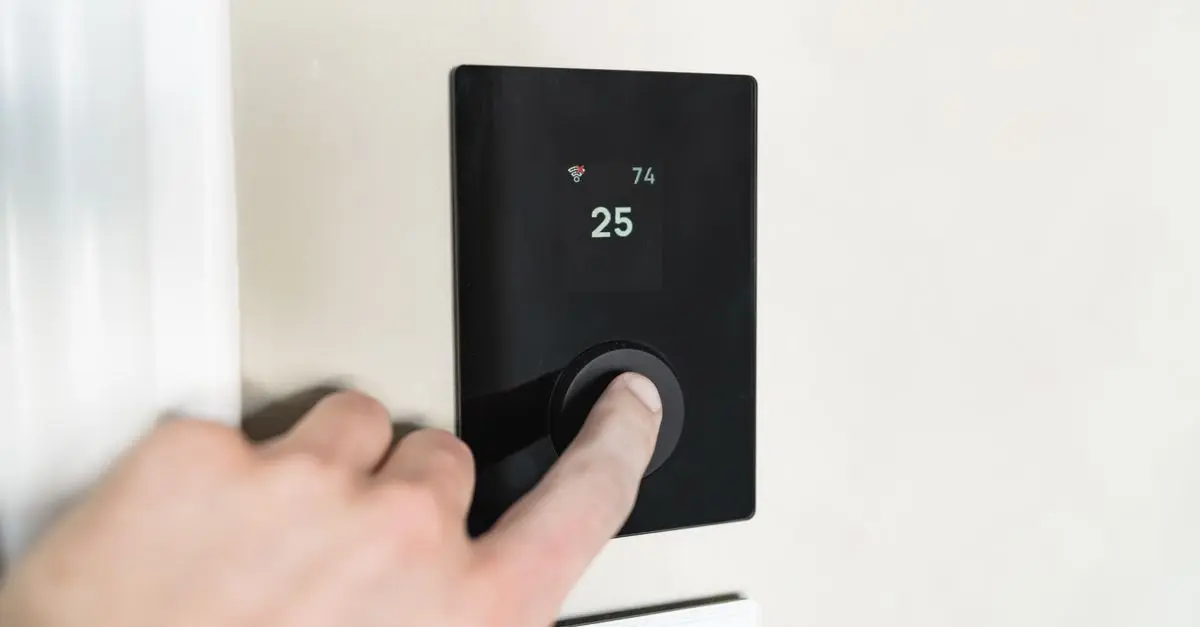
A smart thermostat is a device that connects to your home’s heating and cooling systems, allowing you to monitor and control temperatures remotely using a smartphone, tablet, or computer. Unlike traditional thermostats that simply allow you to manually set the temperature, smart thermostats enable advanced features such as scheduling, learning preferences, and integration with other home automation systems.
The main purpose of these devices is to optimize the heating and cooling process of your home, thus saving energy. According to the U.S. Department of Energy, properly used smart thermostats can help save up to 10-30% on heating and cooling costs. This translates into significant savings over time.
How Smart Thermostats Save Energy and Money
Energy Efficiency
One of the main smart thermostats benefits lies in their ability to enhance energy efficiency. They achieve this by:
- Learning your habits: With their adaptive learning capabilities, smart thermostats can observe your routine and automatically adjust the temperature accordingly. For instance, if you typically lower the heat when you leave for work at 8 AM, the thermostat will learn this schedule and program itself to make the same adjustment.
- Geo-fencing technology: This feature allows the thermostat to detect when you are home or away using your smartphone's GPS capabilities. When you leave a designated area, it can adjust the temperature to save energy, and when you're approaching home, it will readjust to your comfort level.
- Remote access: You can control your thermostat from anywhere, ensuring that it can be adjusted on-the-fly based on your schedule, thus preventing unnecessary heating or cooling.
Financial Savings
Savings from smart thermostats aren’t just limited to energy efficiency; they also extend to financial costs. According to a report by the Environmental Protection Agency (EPA), households can save about $180 annually on energy bills. However, savings can vary based on individual use patterns and local energy prices. Plus, many energy providers offer rebates for installing smart thermostats, further improving the return on investment.
Features to Look for In Smart Thermostats
When selecting a smart thermostat, consider various features that enhance energy savings:
- Wi-Fi connectivity for remote access
- Energy usage reports that provide insights into your consumption patterns
- Integration with smart home systems, such as Amazon Alexa or Google Assistant, for voice control
- Zoning capabilities for homes with multiple heating/cooling zones
- Mobile alerts for maintenance reminders or when temperatures deviate from the set range.
Comparison of Popular Smart Thermostats
To make an informed decision, let’s compare some popular smart thermostats on the market:
| Feature | Ecobee SmartThermostat | Nest Learning Thermostat | Honeywell Home T9 | Netatmo Smart Thermostat |
|---|---|---|---|---|
| Learning Feature | Yes | Yes | Limited | Yes |
| Remote Access | Yes | Yes | Yes | Yes |
| Energy Reports | Yes | Yes | Yes | Yes |
| Compatibility | Multi-zone | Multi-zone | Single/Multi-zone | Single-zone |
| Price | $249 | $249 | $199 | $179 |
Analytical Insights on Smart Thermostats
Recent studies indicate a growing adoption of smart home technologies, including smart thermostats. A survey conducted by Statista showed that, as of 2025, approximately 30% of U.S. households own a smart thermostat. This trend is expected to rise as home automation becomes more mainstream, with a projected annual growth rate of 25% in the smart thermostat market.
The adoption of these devices is significantly influenced by rising energy costs and increasing awareness of climate change, pushing consumers towards environmentally friendly options that also save money.
📺 Resource Video
> For more insights: Check out this comprehensive review on smart thermostats benefits on YouTube: smart thermostat benefits 2026.
Expert Opinions
> 💡 Expert Opinion: According to experts from the American Council for an Energy-Efficient Economy, the push towards smart home technology not only improves energy efficiency but also offers consumers budget-friendly solutions. The initial investment pays off within two years for many households, making it a wise choice for the environmentally-conscious consumer.
- Q: How do smart thermostats work?
A: Smart thermostats track user behavior and preferences, adjusting heating and cooling based on learned habits, schedules, and real-time data.
- Q: Do I need a special HVAC system for a smart thermostat?
A: Most smart thermostats work with standard HVAC systems; however, check compatibility for specific features.
- Q: Can I control my smart thermostat remotely?
A: Yes, most smart thermostats allow remote control via smartphone apps or web interfaces.
- Q: What are the installation requirements?
A: Some models require a C-wire for power; however, many can operate without this if configured correctly.
Glossary
| Term | Definition |
|---|---|
| Geo-fencing | Technology that defines a virtual geographic boundary for automation. |
| Adaptive Learning | Capability of devices to learn from user behavior over time. |
| Zoning | Dividing a home into distinct areas for customized heating and cooling. |
Checklist Before Buying
- [ ] Assess compatibility with your HVAC system.
- [ ] Decide on features that fit your lifestyle.
- [ ] Factor in initial costs versus potential savings.
- [ ] Check for available rebates from energy providers.
- [ ] Read user reviews for real-world experiences.
Conclusion
Incorporating a smart thermostat in your home can lead to substantial energy savings and improved comfort. With the rise of smart home technology, now is an opportune time to invest in these intelligent devices that not only save money but also contribute to environmental sustainability. Explore these options today to maximize your home’s energy efficiency.