Table of Contents (16 sections)
Choosing the right smart lighting can transform your living space, enhance ambiance, and improve energy efficiency. But with the vast selection available in 2026, how do you determine which options best meet your needs? In this guide, we’ll explore how to choose smart lighting effectively, covering everything from the fundamentals of smart lighting to step-by-step installation and essential comparisons.
1. Understand the Basics of Smart Lighting
Before diving into the specifics of how to choose smart lighting, it’s essential to grasp what smart lighting actually is. Smart lighting refers to lighting systems that can be controlled remotely via a smartphone, tablet, or smart home device. They often utilize Wi-Fi or Zigbee technology and allow for varying levels of customization, including brightness, color, and scheduling.
Why Choose Smart Lighting?
Smart lighting enhances convenience by allowing users to control their lights from anywhere. According to a recent report by UFC-Que Choisir, smart lighting can save homeowners up to 30% on their energy bills compared to traditional lighting solutions. Moreover, smart lights can adjust to your daily habits, providing more security when you're away and better ambiance for gatherings.
💡 Expert Insight: Integrating smart lighting into your home can provide significant long-term savings and comfort, making it a worthwhile investment.
2. Determine Your Needs
Before selecting smart lighting, consider what you need from your lighting setup. Do you want ambiance, a security feature, or energy savings? Different settings in your home might require different types of smart lighting. For example:
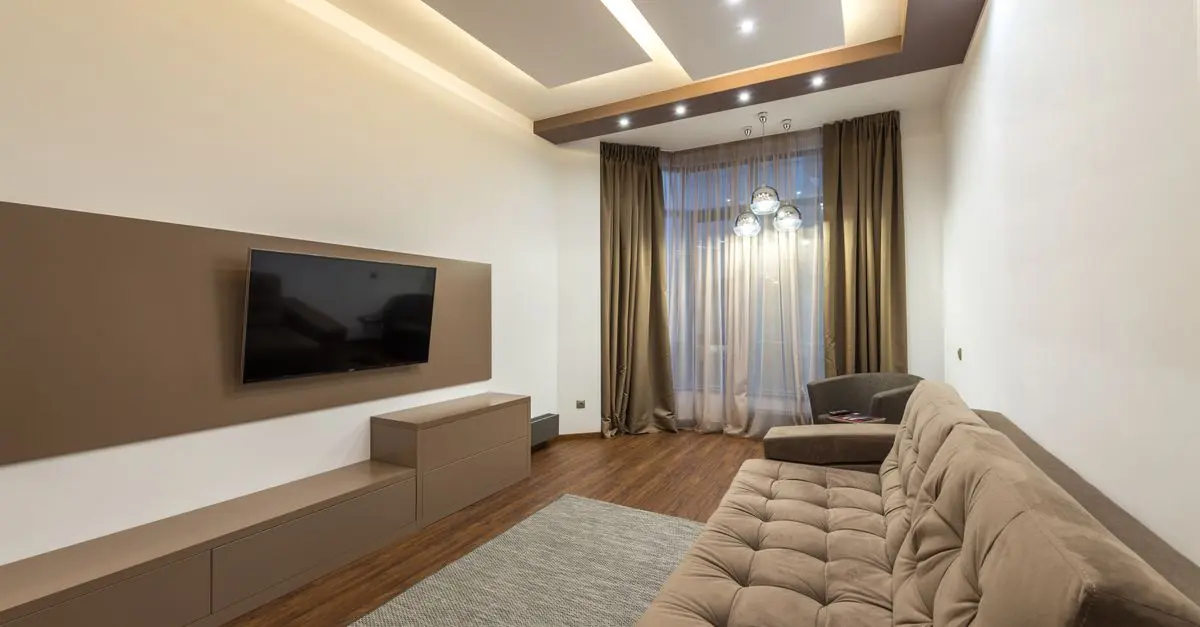
- Living Rooms: Consider adjustable color temperatures and brightness for entertainment and relaxing.
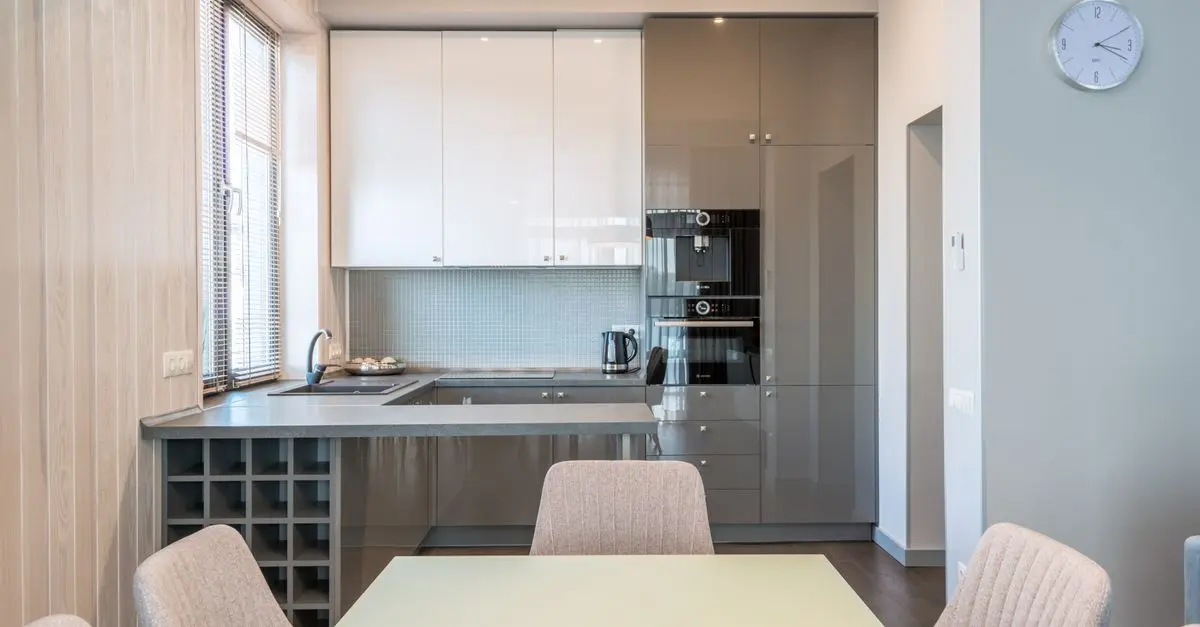
- Kitchens: Bright task lighting is essential for cooking, so focused LED options work well.
- Bedrooms: Soft, warm lighting can help create a calming atmosphere for sleep.
Identify Your Preferences
Make a list of activities and times when you use lighting the most. Do you want dimmable options for movie nights or colored light for parties? Defining your lighting needs based on daily activities can guide your choice.
3. Assess Compatibility with Existing Systems
When choosing smart lighting, compatibility is a crucial factor to consider.Ensure the smart lights you select communicate well with your existing smart home devices, such as your voice assistant (Amazon Alexa, Google Assistant, etc.). A study from Les Numériques revealed that 68% of smart lighting users reported disconnection issues with non-compatible systems.
Types of Compatibility to Review:
- Home Automation Systems: Check if the lighting integrates with systems like Philips Hue, SmartThings, or Amazon Echo.
- Existing Bulb Types: Ensure new bulbs fit existing sockets (E26, E27, etc.) and are compatible with your dimmer switches if present.
💡 Pro Tip: Installing a hub (like the Philips Hue Bridge) can help unify different brands, simplifying control.
4. Evaluate Different Smart Lighting Options
When exploring different smart lighting options, consider factors like type, style, and brightness. Here’s a comparison to help you understand various categories:
| Lighting Type | Benefits | Average Price Range | Examples |
|---|---|---|---|
| Smart Bulbs | Customizable brightness & color | $10 - $50 per bulb | Philips Hue, Wyze |
| Smart LED Strips | Flexible placement, ambiance variety | $20 - $100 per roll | Govee, LIFX |
| Smart Fixtures | Built-in smart features, aesthetics | $60 - $200 per unit | Sengled, Lumiman |
5. Set a Budget
Smart lighting solutions come with varied price points that reflect functionality, style, and brand reputation. Setting a budget upfront can help narrow down your options and prevent overspending.
Budget Examples:
- Basic Setup: $100-$200 for a few smart bulbs and a hub.
- Mid-Range Setup: $300-$600 with a mix of bulbs, LED strips, and smart fixtures.
- Premium Setup: $800 and above with extensive automation and high-end fixtures.
💡 Common Pitfall: Avoid buying cheap products just for the price. Investing in quality can save you headaches and replacements down the road.
6. Installation and Setup Process
Once you’ve chosen your smart lighting, it’s time for installation. Depending on your selections, installation can range from easy (bulbs) to complex (fixtures).
Installation Steps to Follow:
- Read Instructions: Always refer to the manufacturer’s guidelines for specifics.
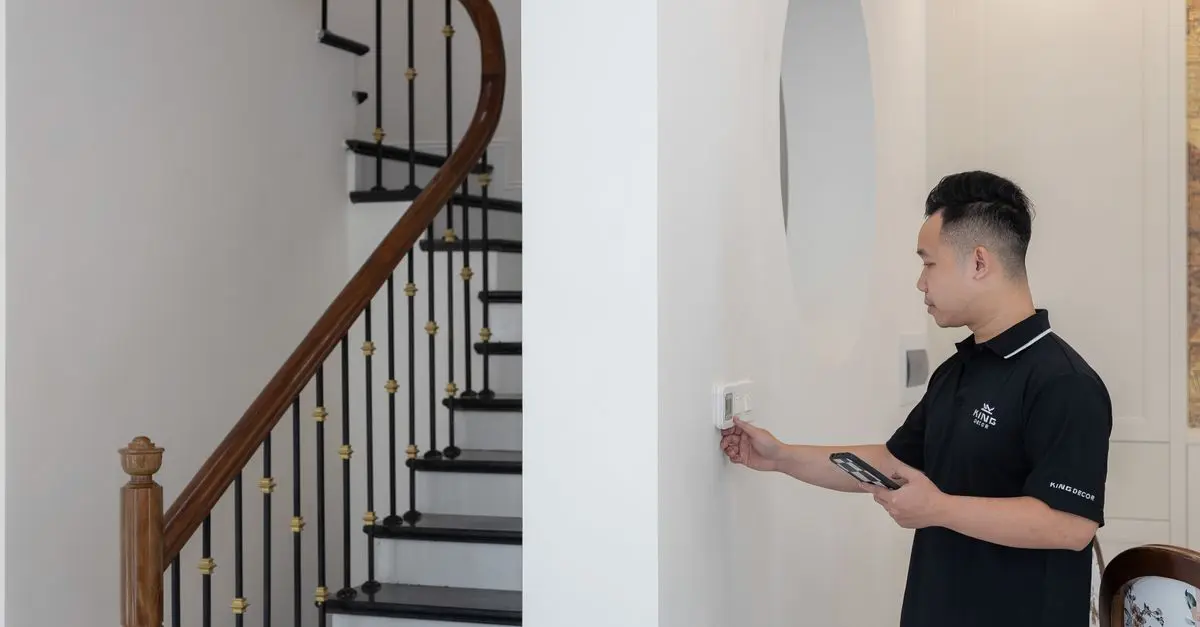
- Turn Off Power: For fixtures, ensure power is off at the circuit breaker.
- Install Fixtures/Bulbs: Follow instructions for the physical setup.
- Connect to Wi-Fi/App: Download the corresponding app and set up the network connection.
- Test and Enjoy: Check compatibility with voice assistants and explore features.
💡 Quick Checklist: Always double-check connections, and consider using a multimeter if you’re unsure.
📺 Resource Video
> 📺 For more information: Check out our video on how to choose smart lighting solutions for your home effectively on YouTube. Search for “smart lighting buying guide 2026.”
Checklist Before Purchase
- [ ] Define your lighting needs (ambiance, tasks)
- [ ] Confirm compatibility with existing devices
- [ ] Determine desired type of smart lighting
- [ ] Set and adhere to a budget
- [ ] Review installation requirements
Glossary
| Term | Definition |
|---|---|
| Smart Lighting | A lighting system controllable via smart devices. |
| Zigbee | A wireless communication protocol for smart devices. |
| LED | Light Emitting Diode; energy-efficient light source. |
Conclusion
Choosing smart lighting is a significant step toward modernizing your home. By following these guidelines, you can select solutions that suit your lifestyle and enhance your home while providing benefits in energy savings and convenience. Start your smart journey today!