Table of Contents (12 sections)
Understanding Smart Home Innovations
Smart home innovations refer to the latest advancements in technology that enhance the functionality, convenience, and efficiency of residential spaces. In recent years, there has been an accelerated growth in the smart home market, fueled by consumer demand for automation and interconnected devices. The global smart home market, valued at approximately $80 billion in 2026, is expected to reach $135 billion by 2030, according to recent forecasts by Statista. As homes become increasingly integrated with intelligent systems, understanding the multitude of innovations available can empower homeowners to make informed choices that improve their living environment. Notably, these innovations cater to various aspects, providing solutions from energy management to enhanced security.
Voice-Activated Technology
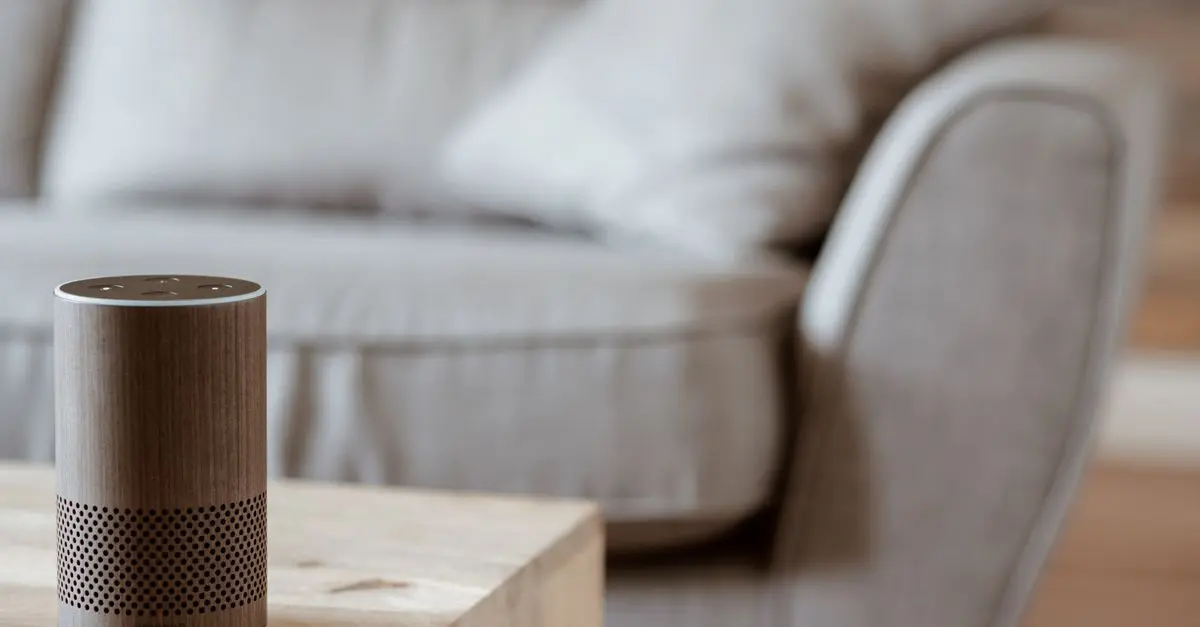
Voice-activated technology continues to redefine how we interact with our homes. Devices such as Amazon Echo and Google Nest allow users to control various smart devices hands-free, fostering an intuitive user experience. According to recent statistics, over 50% of U.S. households reported using voice assistants for daily tasks, including adjusting lighting and controlling home entertainment systems. The growing trend of natural language processing (NLP) enhances these systems' effectiveness, allowing devices to understand and process user commands more accurately.
Homes equipped with voice-activated technology not only provide convenience but also offer accessibility benefits for individuals with disabilities. By integrating voice-controlled devices into their home automation setups, users can manage everything from temperature settings to security systems with simple voice commands. For instance, unlocking a door or turning off appliances becomes seamless, enabling a hands-free lifestyle. Voice technology, additionally, has become vital for creating a unified smart home experience, with manufacturers increasingly optimizing compatibility between various devices.
Improved Energy Efficiency Solutions
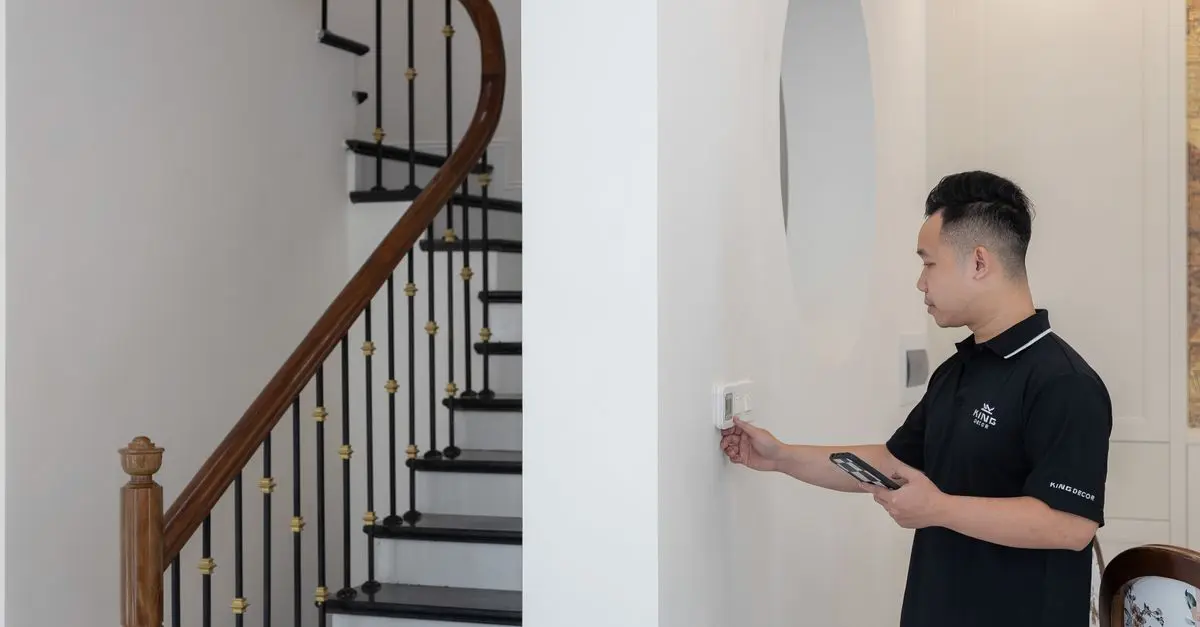
Energy efficiency solutions are quickly becoming essential in smart home innovations. In 2026, smart thermostats like Nest and Ecobee are setting new standards in energy management by learning user habits and adjusting heating and cooling accordingly. According to Energy.gov, homes with smart thermostats can achieve energy savings of up to 15% annually. The integration of IoT (Internet of Things) in these devices allows homeowners to monitor energy consumption remotely, further enhancing their ability to save on utility bills.
Another significant development is the rise of solar energy systems paired with smart technology. By installing intelligent energy management systems, homeowners can optimize their solar power usage, efficiently managing the energy generated and consumed. The collaboration of solar systems with smart appliances also allows for automatic adjustments based on the energy availability, ensuring efficient consumption. This emerging trend reflects a broader shift towards sustainable living, as homeowners increasingly seek ways to reduce their environmental footprint.
Home Security Systems
Home security is another critical area experiencing revolutionary innovations. As of 2026, smart home security systems have become more advanced, integrating numerous features such as motion detection, video surveillance, smart locks, and mobile alerts. Statistics show that approximately 70% of homeowners rely on smart security systems to monitor their properties. For instance, modern systems can send real-time alerts to users' smartphones when unusual activity is detected, providing peace of mind.
Additionally, the use of facial recognition technology and AI has transformed the capability of security cameras, allowing for smart identification of visitors and automatic differentiation between familiar faces and potential intruders. Brands like Ring and ADT are leading the charge by offering comprehensive home security packages that include extensive monitoring options and integration with other smart devices. As security remains a top priority for homeowners, these innovations represent a proactive approach to ensuring safety and protection in modern households.
Smart Kitchen Appliances
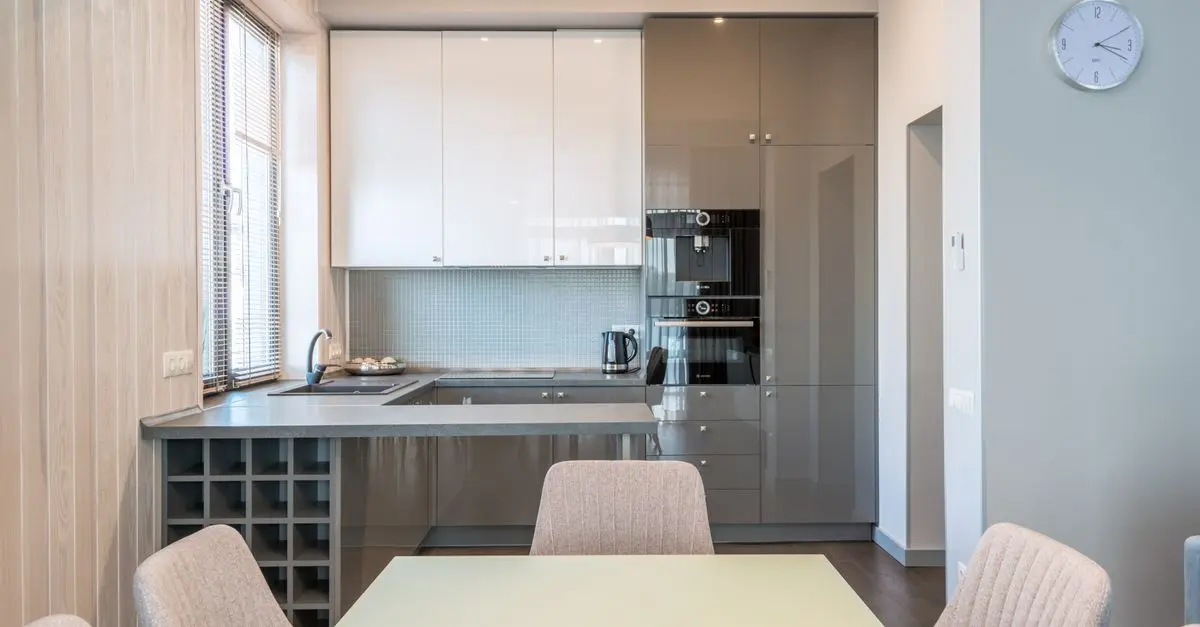
The kitchen has become a significant hub for smart home innovation. In 2026, smart kitchen appliances, including refrigerators, ovens, and coffee makers, have drastically improved the cooking experience. For example, smart ovens can now connect to mobile applications, providing recipe suggestions and precise cooking times based on the ingredients available. A survey from J.D. Power reveals that 65% of consumers consider smart appliances essential for a connected kitchen.
Moreover, the rise of smart refrigerators equipped with touch screens allows users to create shopping lists, track expiration dates, and even connect with smart assistants for vocal updates. This trend not only enhances convenience but also promotes healthy eating by helping users monitor their food stock effectively. The growing popularity of these appliances indicates a shift towards more automated meal preparation and food management strategies, signifying a leap towards a truly connected culinary space.
Enhanced Home Automation Systems
Automating home systems has become increasingly sophisticated. In 2026, advanced home automation platforms, such as Samsung SmartThings and Apple HomeKit, allow users to control various devices – from lighting to security – from a single interface. This signifies a move towards integrated systems that enhance user experience and connectivity. Utilizing smart hubs, homeowners can create specific scenes or routines that trigger multiple devices under particular conditions, such as adjusting the thermostat before bedtime or unlocking doors automatically when users arrive home.
A key trend in home automation is interoperability among devices from different brands, promoting a fully customized smart home experience. As more manufacturers embrace open ecosystems, the ability to create tailored solutions continues to grow, allowing users to maximize their home’s potential. This interconnectedness has transformed homes into proactive living spaces that learn from user behaviors and adapt automation settings efficiently.
Smart Health Monitoring Devices
An emerging trend in the smart home sector focuses on health monitoring devices, particularly for aging populations and health-conscious individuals. Devices such as smart scales, blood pressure monitors, and sleep trackers are increasingly commonplace, allowing users to keep tabs on their health metrics in real time. A report from Pew Research Center indicates that about 60% of Americans own at least one health tracking device.
The integration of health monitoring systems with smart home technology not only supports individual health but can also alert caregivers or family members in emergency situations. For example, smart health devices can detect falls or abnormal heart rates and send notifications to designated contacts immediately. This innovation represents a significant step towards integrating well-being monitoring seamlessly into everyday life, facilitating a proactive approach to health management in the home environment.
Conclusion
In conclusion, the smart home innovations of 2026 are significantly enhancing how we live and interact with our environment. From voice-activated technologies to enhanced health monitoring systems, these advancements not only provision convenience but also progress toward sustainability and security. As we look to the future, the nexus of technology and home life promises to provide even more solutions that cater to our daily needs, transforming houses into truly intelligent living spaces.
💡 Expert Opinion: Smart home innovations are no longer a luxury but a necessity. They provide immeasurable safety, convenience, and efficiency, advancing the overall quality of life.
📺 Resource Video
Explore how smart home technologies are revolutionizing daily living with [The Future of Smart Homes]. Search on YouTube: future of smart home technologies 2026.
Glossary
| Terme | Définition |
|---|---|
| IoT | Internet of Things, réseau d'objets connectés qui communiquent entre eux. |
| NLP | Natural Language Processing, technologie qui permet aux machines de comprendre le langage humain. |
| Smart Hub | Appareil qui permet de contrôler plusieurs dispositifs intelligents dans une maison connectée. |
Checklist avant achat
- [ ] Évaluer les besoins de votre maison intelligente
- [ ] Comparer les systèmes de sécurité disponibles
- [ ] Vérifier la compatibilité des appareils
- [ ] Considérer les options d'économie d'énergie
- [ ] Recherche de retours d'utilisateur avant achat