Table of Contents (15 sections)
As we enter 2026, the trend in smart home technology has been influenced by a growing desire for convenience, comfort, and sustainability. The innovations designed to enhance our living spaces are not only focused on automation but also on integrating more sophisticated technologies that allow for better control and smarter living environments. The categories of devices continue to expand, intersecting with health, security, and energy management. Here, we explore some of the most exciting smart home trends to watch this year.
1. AI-Powered Home Assistants
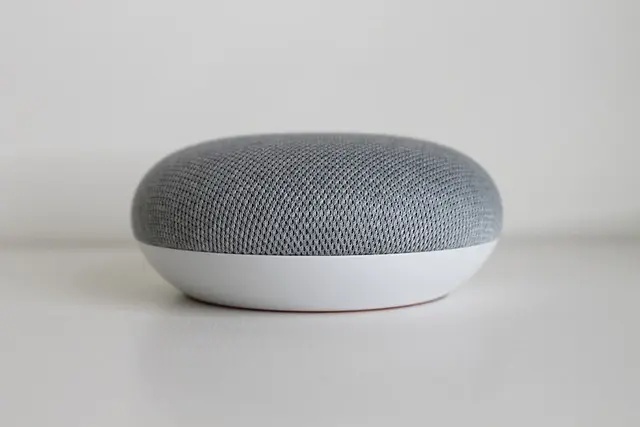
Artificial intelligence (AI) continues to change the way we interact with technology at home. In 2026, AI-powered home assistants have become incredibly intuitive, capable of learning from user behavior to offer tailored experiences. For instance, they can now process voice commands with remarkable accuracy and respond in real-time to a multitude of languages and accents. Moreover, they integrate with various smart devices to predict needs—such as adjusting the thermostat based on your daily routine or ordering groceries when supplies run low. Reports indicate that over 70% of households in developed countries own an AI assistant, showcasing its acceptance in daily life.
Analysis
The rise of AI-powered assistants is shaping user expectations for home automation. As these devices gain capabilities, users will likely demand smarter, more integrated systems. This trend emphasizes the need for manufacturers to prioritize machine learning and user experience to stay competitive.
2. Energy-Efficient Smart Devices
With energy costs on the rise, the demand for smart home devices that promote energy efficiency is at an all-time high. In 2026, smart thermostats, energy management systems, and smart lighting solutions feature prominently, allowing users to monitor and reduce their energy consumption effectively. According to a study by the U.S. Department of Energy, homes equipped with smart thermostats can save about 10-15% on heating and cooling bills. This trend not only benefits homeowners financially but also contributes to reducing carbon footprints.
Analysis
As more consumers prioritize sustainability, manufacturers are responding by developing smart devices designed to assist in energy conservation. The focus on energy-efficient gadgets will likely influence how homes are built and renovated in the future.


WHALL - 2 Slice Toaster, Toasters 2 slice, Smart Bread Toaster, Touchscreen Toaster wide slots - Stainless Steel
bestbuy.com

3. Improved Home Security Systems
Home security has always been a priority for homeowners, and in 2026, the smart home market has responded with a wave of advanced security solutions. Today’s smart security systems integrate features like facial recognition and AI-powered alerts. Homeowners can control these systems remotely through their smartphones, receiving real-time notifications of any suspicious activities. The average homeowner spends approximately $500 on security systems, showcasing the industry’s robust growth.
Analysis
As technology advances, we can expect security systems to evolve further, potentially incorporating features like drone surveillance and more sophisticated AI monitoring, ensuring homeowners feel safer than ever.
4. Health and Wellness Monitoring
Smart homes are increasingly incorporating health-monitoring technology. In 2026, devices like smart beds and air purifiers that track sleep quality and air quality, respectively, have gained popularity. Innovative companies are producing smart health gadgets that can monitor vital signs, such as heart rate and sleep patterns, relaying this information to medical professionals when necessary. Research suggests that homes with health monitoring solutions see a 20% increase in the well-being of residents.
Analysis
The intersection of health and technology presents immense potential in the smart home sector. As more people prioritize health and wellness, we can expect a surge in demand for supportive gadgets, prompting further innovation in this sector.
5. Growing Integration of IoT Solutions
The Internet of Things (IoT) enables devices to connect seamlessly, creating a unified smart home ecosystem. In 2026, interoperability among devices is becoming a standard feature, allowing homeowners to control everything from lighting and security to entertainment and climate through a single app or voice command. Approximately 60% of consumers report that they value connectivity and ease of use over individual device capabilities, urging manufacturers to step up their game in terms of integration.
Analysis
The move toward greater connectivity is significant as it enriches the user experience while also fostering market growth. Manufacturers that successfully capitalize on interoperability will likely lead the charge in smart home innovations.
6. Smart Home Automation Through Voice Control
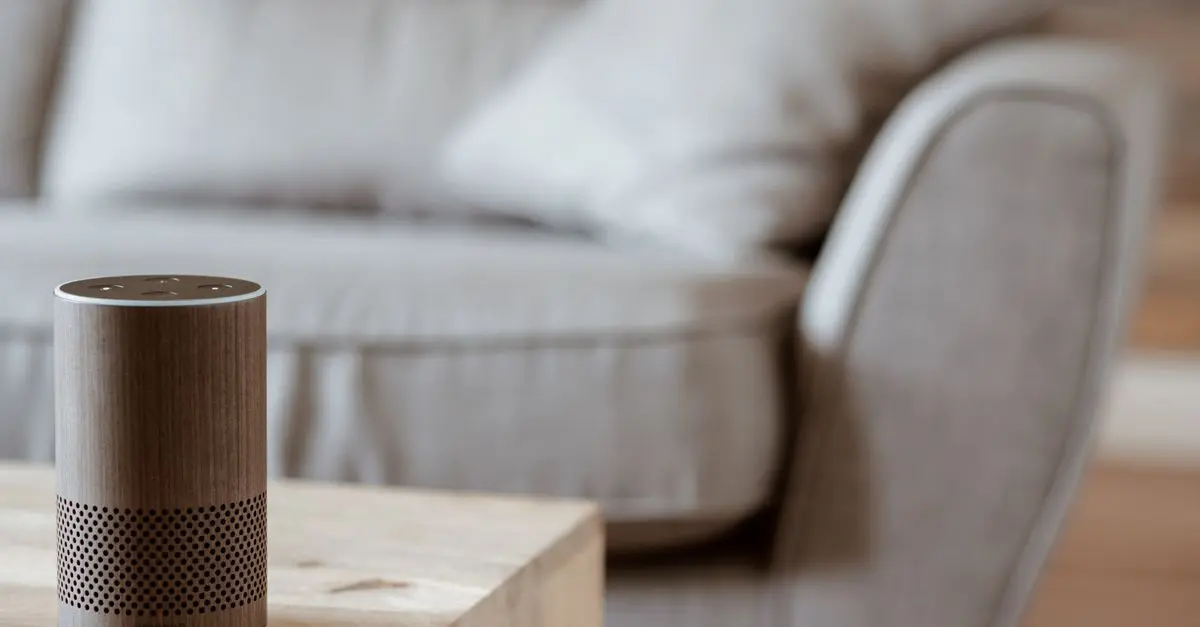
Voice-controlled automation is becoming more predominant in 2026. Devices equipped with voice recognition technology can now perform a wider range of tasks beyond simple commands. From turning off lights to ordering food, voice control is evolving into a more nuanced interaction. A report suggests that more than 80% of users prefer voice control for home automation due to its simplicity and efficiency.
Analysis
As voice control technology matures, we can expect it to become even more conversational and context-aware, revolutionizing the way we interact with our homes.
Uplifted Trends Breathable Zero Pressure Cervical Neck Pillow Washable TPE Latex Support For Neck Pain Relief no Pillowcase
inspireuplift.com
Drop Dash Deals Screen Clip Phone Mount, Universal Smartphone Holder Screen Clip Phone Mount, Universal Smartphone Holder
inspireuplift.com

Smart Smartphone Case - For Samsung Galaxy XCover6 Pro Smartphone - Black
bestbuy.com
Checklist before Buying Smart Devices
- [ ] Evaluate energy efficiency ratings.
- [ ] Check for compatibility with existing devices.
- [ ] Examine user reviews and experiences.
- [ ] Consider privacy features and data protection.
- [ ] Look for systems that offer remote access.
Glossary
| Terme | Définition |
|---|---|
| Smart Home | Une maison équipée de dispositifs technologiquement avancés pour améliorer la sécurité, l'efficacité, et le confort. |
| IoT (Internet des Objets) | Concept selon lequel des objets physiques sont connectés à Internet et peuvent échanger des données. |
| AI (Intelligence Artificielle) | Technologie qui permet aux machines de simuler l'intelligence humaine pour effectuer des tâches diverses. |
> 📺 Pour aller plus loin : An overview of smart home technologies in 2026, a comprehensive dive into what’s shaping our living environments. Search on YouTube:
smart home technologies 2026 trends.
📺 Pour aller plus loin : smart home technology trends 2026 sur YouTube
Recommended products
Selected by our experts

MOVO - PR-1 Smartphone Grip Handle Rig - Compatible with Most Smartphones
bestbuy.com

Movo PR-1 Smartphone Grip Handle Rig - Compatible with Most Smartphones black
shop.simon.com