Table of Contents (20 sections)
Smart home ecosystems are rapidly evolving, allowing homeowners to integrate various devices and appliances for improved convenience, security, and efficiency. These ecosystems, composed of connected gadgets—from smart speakers to security cameras—function together to create a cohesive and responsive home environment. Understanding how these devices interact is essential for anyone looking to upgrade their living space.
What Are Smart Home Ecosystems?
A smart home ecosystem is a network of devices connected to the internet that communicate and collaborate to automate tasks within a home. These systems often revolve around a central hub, which can be a smart speaker or a dedicated device like a smart home hub. The key aspects of these ecosystems include:
- Interconnectivity: Devices can share information and operate in sync with each other. For example, a smart thermostat can adjust the temperature based on the data from smart light sensors.
- Remote Access: Homeowners can control their devices from anywhere using smartphones or voice commands, enhancing convenience.
- Automation: Users can set routines and schedules for their devices, such as turning off lights automatically at night or adjusting the thermostat when the house is unoccupied.
According to a report by Statista, the global smart home market is expected to reach over 150 billion U.S. dollars by 2026, highlighting the growing popularity and reliance on connected devices in modern homes.
How to Set Up Your Smart Home Ecosystem
Setting up a smart home ecosystem may seem daunting, but it can be accomplished with straightforward steps:
Step 1: Choose Your Hub
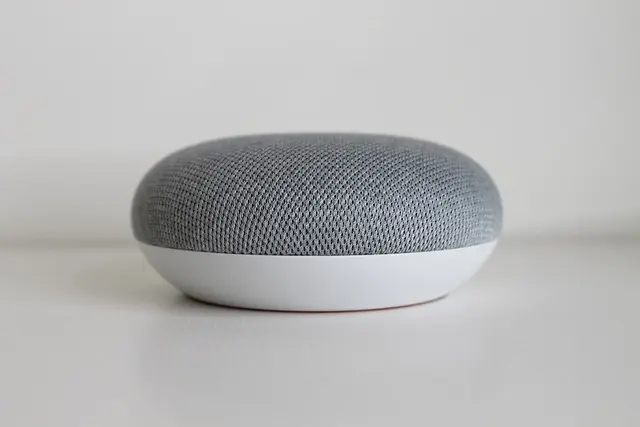
Start by selecting a central hub that is compatible with various devices. Popular hubs include smart speakers like Amazon Echo and Google Nest, which not only serve as voice assistants but also connect and control your smart devices.
Step 2: Select Compatible Devices
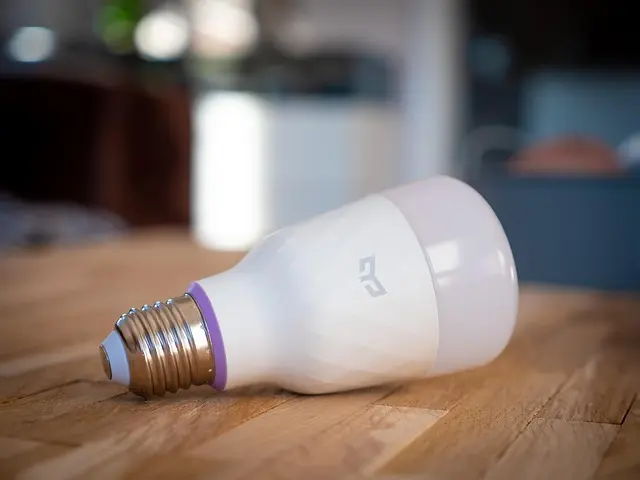
Choose devices that work seamlessly with your hub. This could include smart lights, locks, thermostats, and cameras. When selecting products, pay close attention to compatibility to ensure smooth integration.
Step 3: Install and Configure
Follow the manufacturer’s instructions for device installation. Most setups require the installation of an app, connecting to Wi-Fi, and linking it to your hub. Many devices will guide you through the setup process.
Step 4: Create Routines and Automations
Once everything is connected, utilize the hub’s app to create routines. For example, you might create a morning routine that gradually turns on lights and sets the thermostat to your preferred temperature.
Step 5: Regular Updates
Keep your devices updated to improve performance and security. Many devices can update automatically, but it’s a good practice to check for any needed updates periodically.
By following these steps, you can effectively integrate smart home devices to streamline and enhance your daily activities.


Benefits of Smart Home Ecosystems
Integrating smart home technology presents several benefits, including:
- Enhanced Security: With connected cameras and smart locks, users can monitor and control their home security from their smartphones. A study shows that homes equipped with smart security devices are less likely to be targeted by burglars.
- Energy Efficiency: Smart thermostats and lighting can help reduce energy consumption by adjusting based on user behavior and preferences. According to the U.S. Department of Energy, homeowners can save up to 10%-30% on heating and cooling costs by utilizing smart thermostats.
- Convenience: The ability to control devices remotely, schedule tasks, and use voice commands offers users unprecedented convenience, making daily routines smoother and less time-consuming.
Comparing Leading Smart Home Ecosystems
When considering a smart home ecosystem, comparing the available options is crucial:
| Ecosystem | Device Compatibility | Control Methods | User Experience |
|---|---|---|---|
| Amazon Alexa | Extensive (thousands of devices) | Voice, App | User-friendly |
| Google Home | Many devices, particularly Google products | Voice, App | Intuitive |
| Apple HomeKit | Mainly Apple-compatible devices | Voice via Siri, App | Sleek interface |
| Samsung SmartThings | Wide variety across brands | Voice, App | Highly customizable |
This table illustrates key differences, highlighting that while Amazon Alexa offers extensive compatibility, Apple HomeKit leans towards premium devices, affecting user experience and accessibility.
FAQs About Smart Home Ecosystems
What is a smart home ecosystem?
A smart home ecosystem is a network of interconnected smart devices controlled via a central hub, facilitating automation and remote access.
How do smart home devices communicate?
Smart home devices typically communicate over Wi-Fi or Bluetooth, depending on their design and requirements.
Is it expensive to set up a smart home?
Initial costs can vary widely but can be budgeted according to the selected devices. Start small and expand gradually for greater affordability.
Can I control my smart home remotely?
Yes, most smart home devices allow remote control via smartphone applications, enhancing convenience and flexibility.
💡 Expert Opinion
> 💡 Expert Insight: The importance of interoperability cannot be overstated in smart home ecosystems. As a user, always ensure that the chosen devices can communicate effectively with your hub to prevent integration problems in the future. Many users find that starting with a few versatile devices leads to a more manageable and satisfactory experience.


Checklist Before Purchase
- [ ] Identify my smart home hub
- [ ] Check device compatibility
- [ ] Read user reviews for performance
- [ ] Determine energy usage of smart devices
- [ ] Plan setup and potential automations
Glossary
| Term | Definition |
|---|---|
| Smart Hub | A central device that connects and controls multiple smart home devices. |
| Interoperability | The ability of different devices and systems to communicate with each other. |
| Automation | The use of technology to perform tasks with little or no human intervention. |
📺 Resources Video
> 📺 To go deeper: Understanding Smart Home Devices and Their Benefits, a comprehensive look at how smart devices enhance living spaces. Search on YouTube: smart home devices overview 2026.
Conclusion
Smart home ecosystems are revolutionizing how we live, offering unparalleled convenience, security, and efficiency. As technology continues to advance, homeowners can expect even more sophisticated integrations in their daily lives. Start exploring the possibilities today and elevate your living environment with the right smart devices.
Explore our recommended products below to jumpstart your smart home journey!
📺 Pour aller plus loin : smart home devices overview 2026 sur YouTube
Recommended products
Selected by our experts


Drop Dash Deals Screen Clip Phone Mount, Universal Smartphone Holder Screen Clip Phone Mount, Universal Smartphone Holder
inspireuplift.com